
I watched the movie The Green Book last night. If you haven’t seen it, I highly recommend it. It is a true story set in 1962 about a Black-American classical pianist and his Italian-American bodyguard traveling in the South while on tour. For some reason the movie really hit me hard. It is the kind of story that inspired me to dedicate my career to NAHREP, and it was a reminder that our nation has experienced and overcame extreme political divides in the past.
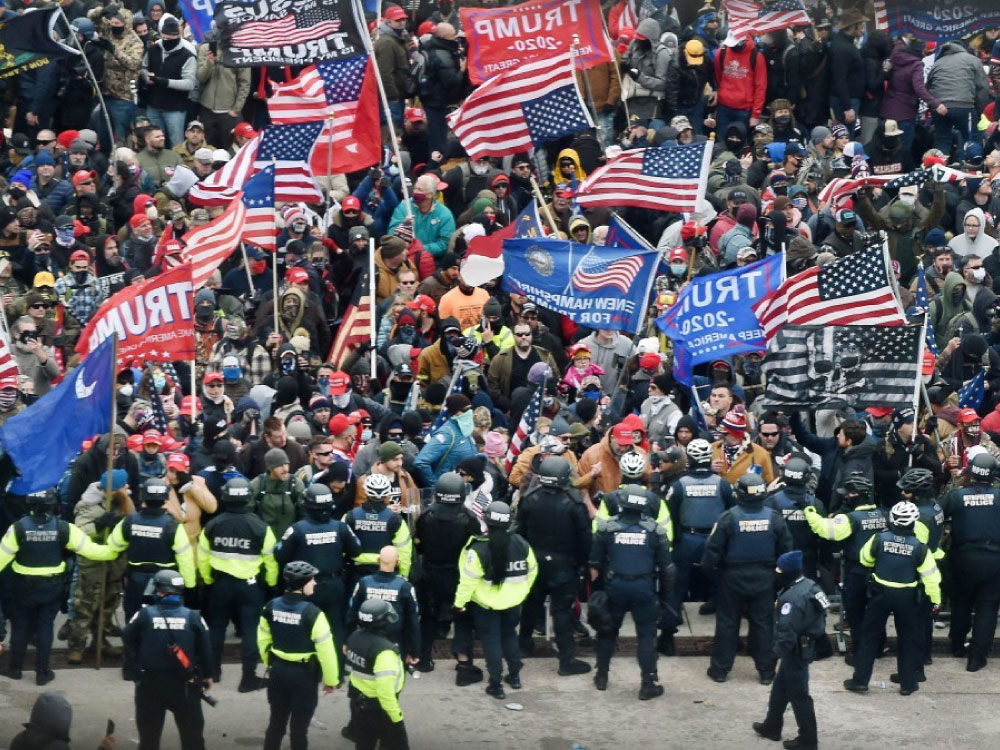
I received a lot of messages this week encouraging me to share my opinions on the melee in D.C. and on my latest views on Donald Trump. To be honest, I’m already tired of the whole topic. It’s no secret to anyone who reads this blog that I don’t like Donald Trump. I never did. I didn’t like him when he was a reality TV star; he seemed slimy to me, and there isn’t enough room in this blog to list the things I dislike about him as a politician. Call me partisan if you want, but I don’t care. My opinion of Donald Trump has nothing to do with partisanship. There are plenty of good people from both parties. DJT simply isn’t one of them. With 57% of America including Senators and members of congress from both parties calling for his removal from office, there is no need for me join the chorus. Let’s move on to the next question, please. Where do we go from here?
It won’t be easy to bring this country back together. Opinion news channels and social media are powerful forces that profit from our division. The reason most of us are supremely confident in our political views is because we get all of our news from people who agree with us. On social media, we click on the news stories with headlines that align with our viewpoints, and we ignore the stories we disagree with. Every time we engage in this way, Facebook, Twitter, and Instagram learn more about us and they respond by showing us more of the news we want to read. That’s how they keep us coming back to their platforms and how they make money – and they are making billions. There is so much money being made on fueling our political contempt for one another that it is difficult to imagine how things will get better any time soon.
Here are a few ideas on how each of us can do our part to make things better:
Don’t be a Troll
You won’t change anyone’s mind anyways. I will never discourage people from stating their opinions on social media, but don’t go looking for a fight. I have friends who differ from me politically and occasionally, I will debate them online. They are always smart and respectful, we consider one another’s opinions, have fun and learn from each other. If you enjoy political conversations, find friends who know how to debate intelligently and refrain from engaging in arguments with everyone.
Be for Something and Not Just Against Things
In business I always say: don’t bring me problems without a solution. Let’s face it, it’s much easier to criticize other people’s ideas than to come up with actual solutions. Criticism is elevated to an art form on social media, but a good discipline for all of us is to refrain from criticism unless we have a solution we are willing to defend. Be a problem solver. I have so much more respect for problem solvers than critics.
Avoid Worshiping Politicians
Politicians are strange animals. They tend to be people who are desperate for attention. They are constantly asking for money. Their jobs are weird. They give speeches and make promises but aren’t accountable for practically anything. They are public servants. They are supposed to work for us…So why do we treat them like gods? Why do we put them on a pedestal? We get so damn vested in them that we defend everything they do – even the indefensible. We need to stop with that.
Be a Force for Good
What is your definition of a good person? Smart, honest, generous, strong…whatever it is, focus on being that. Most of us want to live successful lives, but we also want to do our part to make the world a better place. 2020 was a tough year for many of us. What did we learn from it? How can we use the experience from the past year to prioritize better? I think all of us value our friends and family more than ever. We appreciate the little things; however, I don’t think any of us hope this year will be even more divisive than last year.
Avoid Negative People
Good and bad, we learned a lot about the people around us during the past year. While we can’t choose our family, there are some people we are better off without. This is not to say you should only surround yourself with people who share your opinions on everything. That would be wrong and boring…but values are important, and we shouldn’t spend a lot of time with people who have values profoundly different from our own. I’m not going to get more specific than that. Happy New Year!






I have been writing this blog for almost eight years. In two weeks, the format will change. I will start a video series on social media titled "The Latino Brand." I will supplement the videos with a weekly news sheet emailed to my database that includes links to the video series...
The country is experiencing significant disruption, unlike anything we've seen since the end of World War II. A perfect storm of demographic changes, AI advancements, and political upheaval will reshape the nation forever. Some changes will be beneficial, while others will be less clear. Here's my perspective on what to expect in the next decade
The large majority of undocumented immigrants are decent, hard-working people desperate for a better life in America. However, there are also some bad apples, violent criminals that not only terrorize our communities but also damage the image of Latinos in America. Trump promised to prioritize criminals in his deportation plans. In the first few weeks in office, the data shows that...