
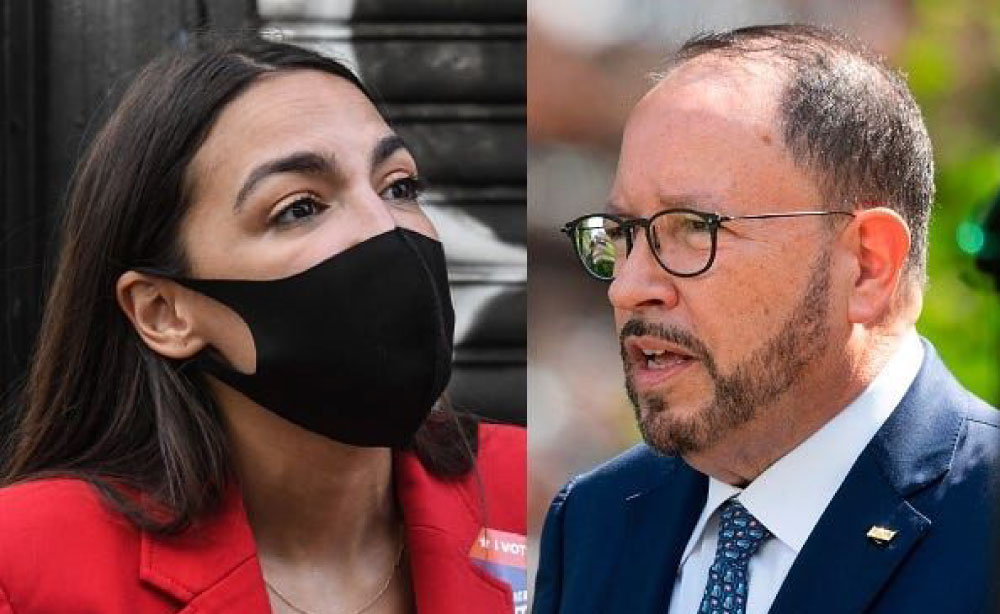
Last month, some Democrats, including a number of Latino celebrities, called for a boycott of Goya Foods after their CEO Robert Unanue praised President Donald Trump at a White House event to announce the administration’s Hispanic Prosperity Initiative. I blogged about the issue to boycott or not to boycott. To my surprise, my blog about freedom of speech infuriated people on both sides of the boycott argument. However, I was clear about one thing: “As a Latino, I don’t like seeing Latinos bicker with other Latinos in a destructive manner. My guess is that Goya employs a lot of Hispanics so a boycott could cause Latinos to lose jobs and suffer economically. I don’t like that”. I also said I did not think the call for a boycott would have a material impact on Goya’s business. This past week, Unanue sarcastically referred to U.S. Representative Alexandria Ocasio-Cortez, otherwise known as AOC, as Goya’s employee of the month, touting the company’s surge in sales of their popular adobo seasoning mix after she implied support for the Goya boycott by tweeting she was going to start making her own adobo. Unanue went on to call her naïve for “going against her own culture”.
The whole thing is disconcerting. Unanue may have received a boost in sales when the call for a boycott caused a backlash from their loyal customers, but he is playing a dangerous game. Companies hate controversy for a reason: it’s almost always bad for business. The more he gloats, the closer he gets to transforming Goya Foods from a food brand to a company mostly known for its politics. In the long run this will hurt his company. Rather than throwing fuel on the flame, Unanue could have announced the surge in adobo sales along with a commitment to donate part of their additional profits to a charity that benefits Latino essential workers, AND extended an olive branch to the Latino celebrities who called for the boycott by inviting them to join him in making donations. That would have blown people away. Unanue was right about one thing: AOC, Julián Castro, and Lin-Manuel Miranda were all naïve and short-sighted when they called for a boycott of one of the most storied Latino family businesses of all time, but Unanue is being just as naïve if he thinks continuing this feud is good for Goya. I hope we are at the end of this silly drama.
Now, repeat after me… Rule #1: Thou Shall Not Publicly Criticize Other Latinos.






Regardless of political persuasion, most people think the rhetoric of politics has gotten out of control. If you believe that, as I do, there IS something you can do about it. You can ask yourself whether you are helping or hurting the situation. I like to say that there are two types of people in the world: people who add stress and people who relieve stress. I think similarly, some people are adding to the political spectacle in the country, and others are at least trying for something better.
Gary's Blog will return next week.
This past week, the National Association of Realtors invited me to participate in a meeting with the NAR leadership and Jonathan Kanter, the Assistant Attorney General of the United States.