
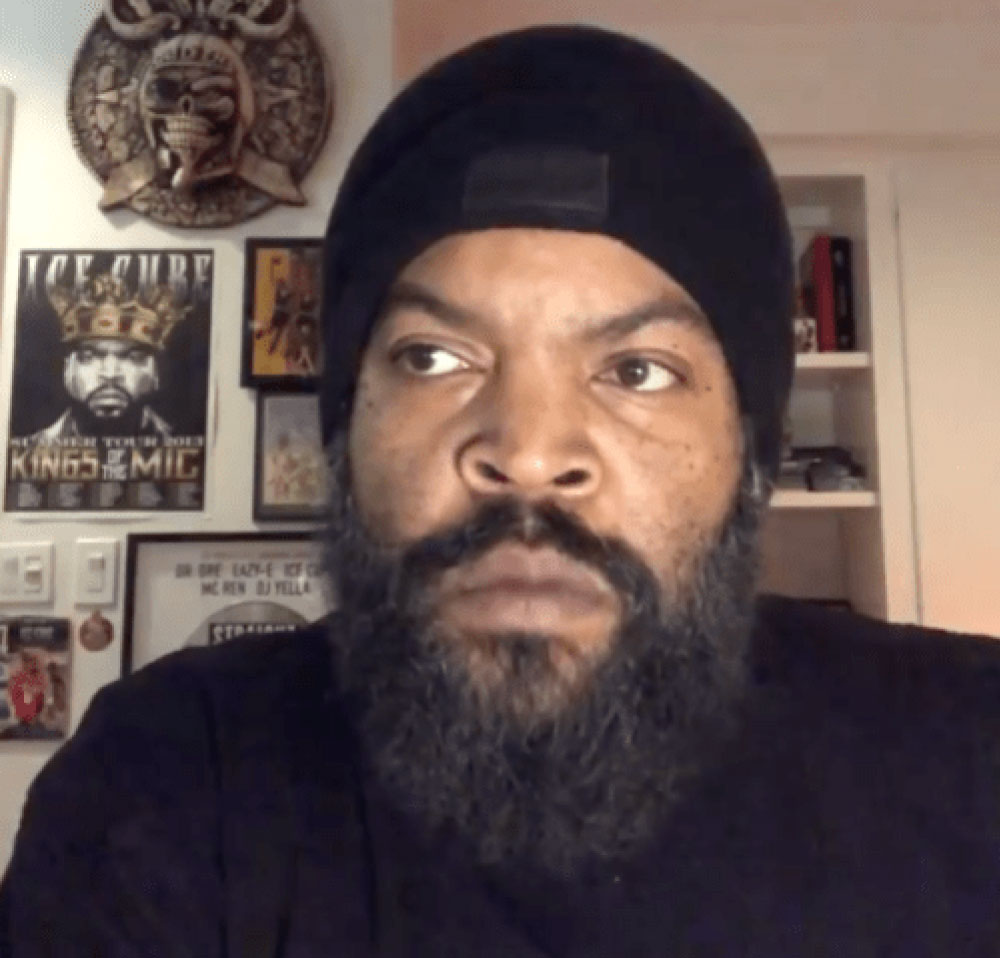
Rapper turned actor, Ice Cube, created a little controversy last week by working with the Trump Campaign on something he calls “The Platinum Plan, Contract with Black America”. So, if you’re wondering what I think about, here are my thoughts. I appreciate the idea, but the execution was a disaster. I like Ice Cube, he is a legitimate cultural icon, but I am a bit astonished with his naiveté. I appreciate that he wanted to express his commitment to his people by getting involved in the political process. If you watch this interview with Chris Cuomo, he makes it clear he is not advocating for diversity or some other politically correct concept; he is unequivocally focused on the economic and political advancement of Black Americans. I have no issue with this. If Cube has been anything throughout his career, he’s been blunt. This is no time for pleasantries and Latinos need to be every bit as unabashed. Where Ice Cube went wrong was in his execution. He claimed that he reached out to both candidates to negotiate this “contract” and the Trump campaign came to the table first. Now people are calling him a sellout for endorsing Donald Trump or even sitting down with someone who denies that systemic racism is a problem in America. Cube’s approach set himself up to be used by both campaigns at no cost to either of them whatsoever. Ice Cube may be a smart, savvy guy, but he is clueless about political campaigns and more importantly, how political ideas actually get implemented.
Ice Cube will be fine, but he may have squandered a good idea. If I were Ice Cube, I would have written down a list of priorities for Black Americans. Rather than go to the campaigns, I would have first worked to garner consensus for the plan with as many Black leaders as possible, and challenged both candidates to incorporate the issues in their own domestic policy plans. This would make it about the priorities themselves and not about himself and vacant campaign promises. I would also create a mechanism that would be constantly tracking the progress of any promises made, and I would use my influence with the media and other Black leaders to ensure that there is widespread awareness about real progress or the lack thereof.






With the presidential election only three weeks away, partisans on both sides are taking off the gloves with rhetoric that vilifies their opponents and fires up their minions. Most people believe that our country is more divided than ever. Indeed, the days when liberal and conservative candidates can debate their views respectfully seem like a distant memory. At the risk of oversimplifying things too much, let me cut to the chase about what is driving the divisions in the country.
NAHREP shares data at conferences to build a more accurate narrative about the Latino community from an economic perspective. Sharing that data with attendees, influential business leaders, and media at the event helps achieve that goal while arming them with information that can give them a competitive advantage with their businesses.
The best businesses and the most successful people don't just perform a task and make money. They solve a problem or facilitate an opportunity. Uber, Tesla, Apple, Netflix, and Microsoft approached their business with that mindset. They were designed to solve humanity's most significant challenges and opportunities. However, even the smallest companies can develop solutions that people care about.