
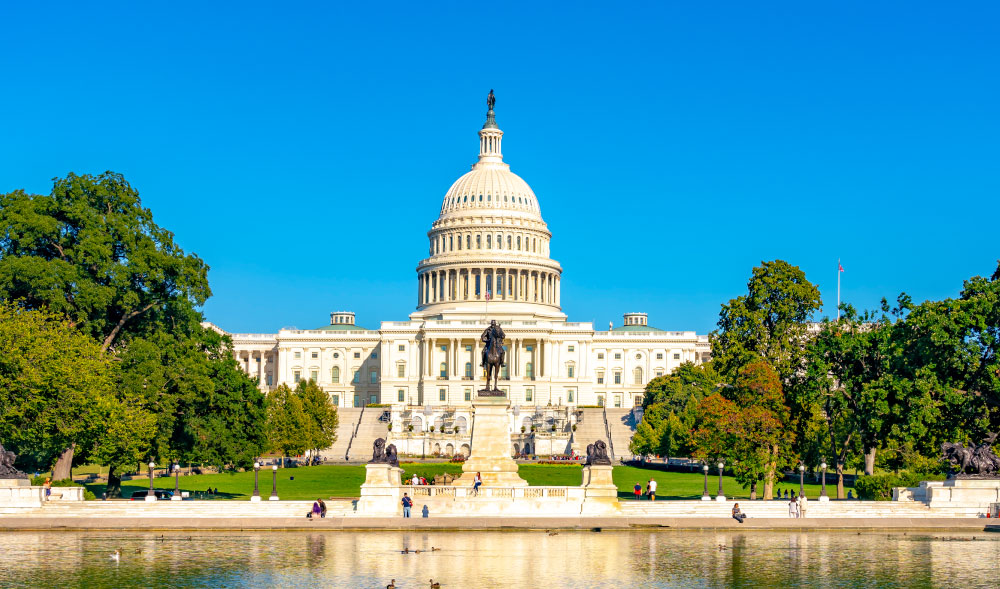
While slowing the spread of COVID-19 should be everyone’s priority, the economic well-being of our communities is also vital. NAHREP sent a letter to the President, House Speaker Nancy Pelosi, and Senate Majority Leader Mitch McConnell that advocated for homeowners and renters in distress, small business owners and consumers struggling financially. The letter was also distributed to key committee leaders and the Hispanic Caucus. You can read the full letter here.






Regardless of political persuasion, most people think the rhetoric of politics has gotten out of control. If you believe that, as I do, there IS something you can do about it. You can ask yourself whether you are helping or hurting the situation. I like to say that there are two types of people in the world: people who add stress and people who relieve stress. I think similarly, some people are adding to the political spectacle in the country, and others are at least trying for something better.
Gary's Blog will return next week.
This past week, the National Association of Realtors invited me to participate in a meeting with the NAR leadership and Jonathan Kanter, the Assistant Attorney General of the United States.