
I have recently discussed the importance of having a routine, and setting goals for my children while we are all home fighting the spread of COVID-19. I am going to use this time to get more physically fit, do more strategic thinking, and read more books. The three books I plan to read this month are:
“Can’t Hurt Me: Master Your Mind and Defy the Odds” by David Goggins. Obviously, we can all use some mindset help right now.
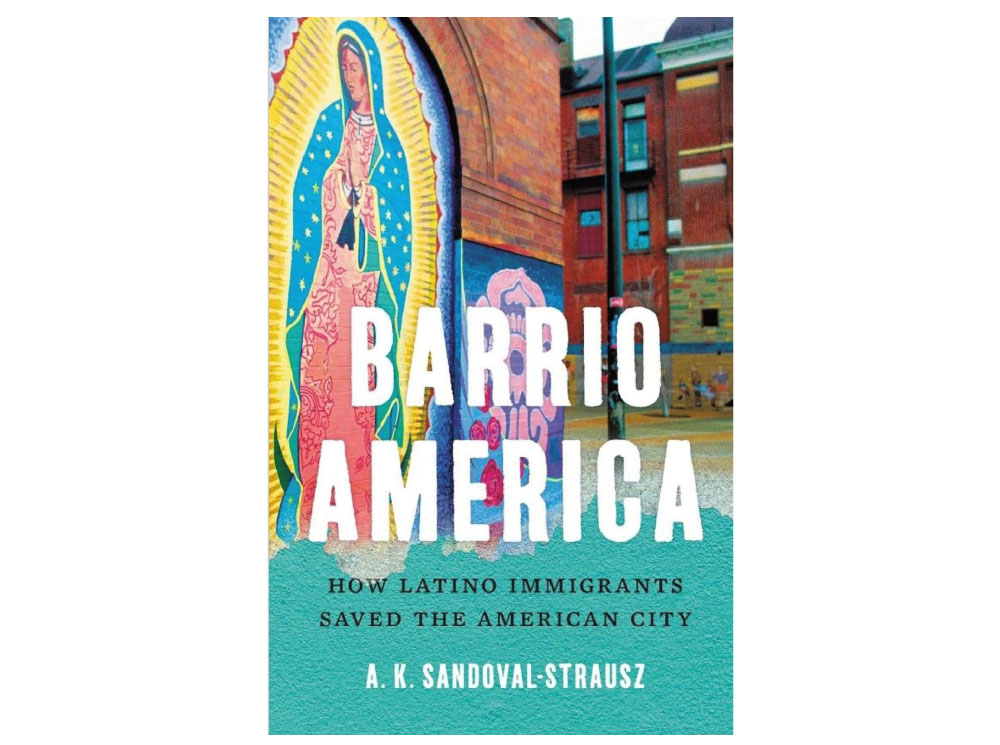
“Barrio America: How Latino Immigrants Saved the American City” by A. K. Sandoval-Strausz. I have been meaning to read this book for a while, and I think the timing might now be perfect. Latinos have helped our country pull out of past economic crises, and I’m pretty sure Latinos will do the same this time around.
“The Back Roads to March: The Unsung, Unheralded, and Unknown Heroes of a College Basketball Season” by John Feinstein. For those of us who love college basketball and are struggling without March Madness, this book should be a fun read.






With the presidential election only three weeks away, partisans on both sides are taking off the gloves with rhetoric that vilifies their opponents and fires up their minions. Most people believe that our country is more divided than ever. Indeed, the days when liberal and conservative candidates can debate their views respectfully seem like a distant memory. At the risk of oversimplifying things too much, let me cut to the chase about what is driving the divisions in the country.
NAHREP shares data at conferences to build a more accurate narrative about the Latino community from an economic perspective. Sharing that data with attendees, influential business leaders, and media at the event helps achieve that goal while arming them with information that can give them a competitive advantage with their businesses.
The best businesses and the most successful people don't just perform a task and make money. They solve a problem or facilitate an opportunity. Uber, Tesla, Apple, Netflix, and Microsoft approached their business with that mindset. They were designed to solve humanity's most significant challenges and opportunities. However, even the smallest companies can develop solutions that people care about.