
Click on the red play button to listen to the audio version.
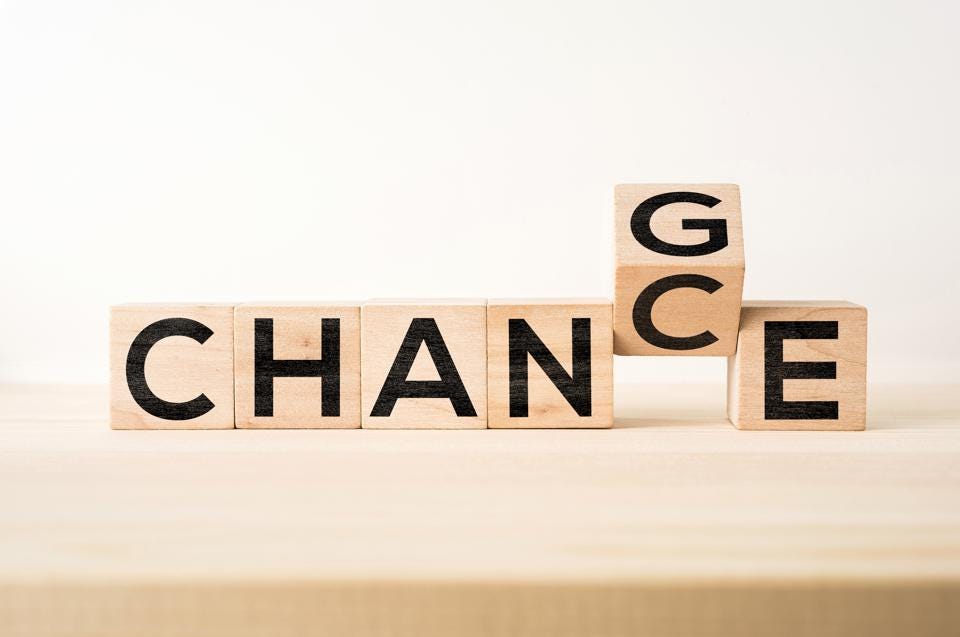
Most people consider themselves either a conservative or a liberal. I think if we forget political parties, which flip their positions on things all of the time, and instead focus on the actual definition of what it means to be a conservative and what it means to be a liberal, we might be able to temper the emotional reactions some of us have with political discourse. In a nutshell, conservatives resist change and prefer tradition. Liberals, on the other hand, advocate for change; they want to see progress occur more quickly. The word conservative means to conserve or maintain, while liberal and progressive means to progress and evolve. Neither is absolute, both expect change; however, liberals want it to happen more rapidly. Understanding that change is the primary differentiator between political parties, also explains why the priorities of the two major political parties tend to evolve.
During the revolutionary war, Conservatives were more loyal to Britain and argued against revolution. They hated and feared the idea of separating from mother England. At the turn of the 20th century, only hard-core liberals believed that women should have the right to vote or that Black people should have the same rights as White people. Most religions are rich in tradition, which appeals to conservatives. Conservatives also believe that the Bible and the U.S. Constitution are evergreen documents that should be taken literally. Liberals believe they are reflective of the eras when they were written and their interpretations should evolve.
I am sure when you think about it, most of us are conservative about some things and liberal about others.
I’ve said this many times: We are all being manipulated by politicians and the media to believe that anyone who differs from us politically is evil and is trying to destroy the country. Frankly, that’s what keeps the money flowing. Nothing inspires political and religious donations more than fear. It’s what keeps us glued to cable TV news. Very few people can clearly explain why they are part of any political party or whether they are conservative or liberal. They might point to one issue like abortion or civil rights but they can’t go much further than that. To me, understanding what drives people politically is part of what it means to be politically savvy. All of us can tell who among us are the thinkers and who are the ones that just like being part of a gang – who can only quote talking points that are fed to them from their favorite news outlet. Ask yourself honestly whether you are open to an opposing position on an issue. Try spending a week without CNN or Fox News then ask yourself the same question. Politically savvy people can rise above the noise where they can think clearly and unemotionally.
I know there are some bad people out there, but I think most of us, conservative and liberal, want basically the same things. We want to live in a country that is safe from both foreign and domestic threats and where everyone has a fair chance to live a productive and prosperous life – full stop. Our differences are not about what we want but rather how we get there. Some of us think we need major changes, and we need them now, and others think we need to move more slowly and be more mindful of tradition. In future blogs, I will break down specific issues and will explain why they appeal or repel to conservatives and liberals. I hope that it will lead to a more constructive dialogue for all of us.






With the presidential election only three weeks away, partisans on both sides are taking off the gloves with rhetoric that vilifies their opponents and fires up their minions. Most people believe that our country is more divided than ever. Indeed, the days when liberal and conservative candidates can debate their views respectfully seem like a distant memory. At the risk of oversimplifying things too much, let me cut to the chase about what is driving the divisions in the country.
NAHREP shares data at conferences to build a more accurate narrative about the Latino community from an economic perspective. Sharing that data with attendees, influential business leaders, and media at the event helps achieve that goal while arming them with information that can give them a competitive advantage with their businesses.
The best businesses and the most successful people don't just perform a task and make money. They solve a problem or facilitate an opportunity. Uber, Tesla, Apple, Netflix, and Microsoft approached their business with that mindset. They were designed to solve humanity's most significant challenges and opportunities. However, even the smallest companies can develop solutions that people care about.