
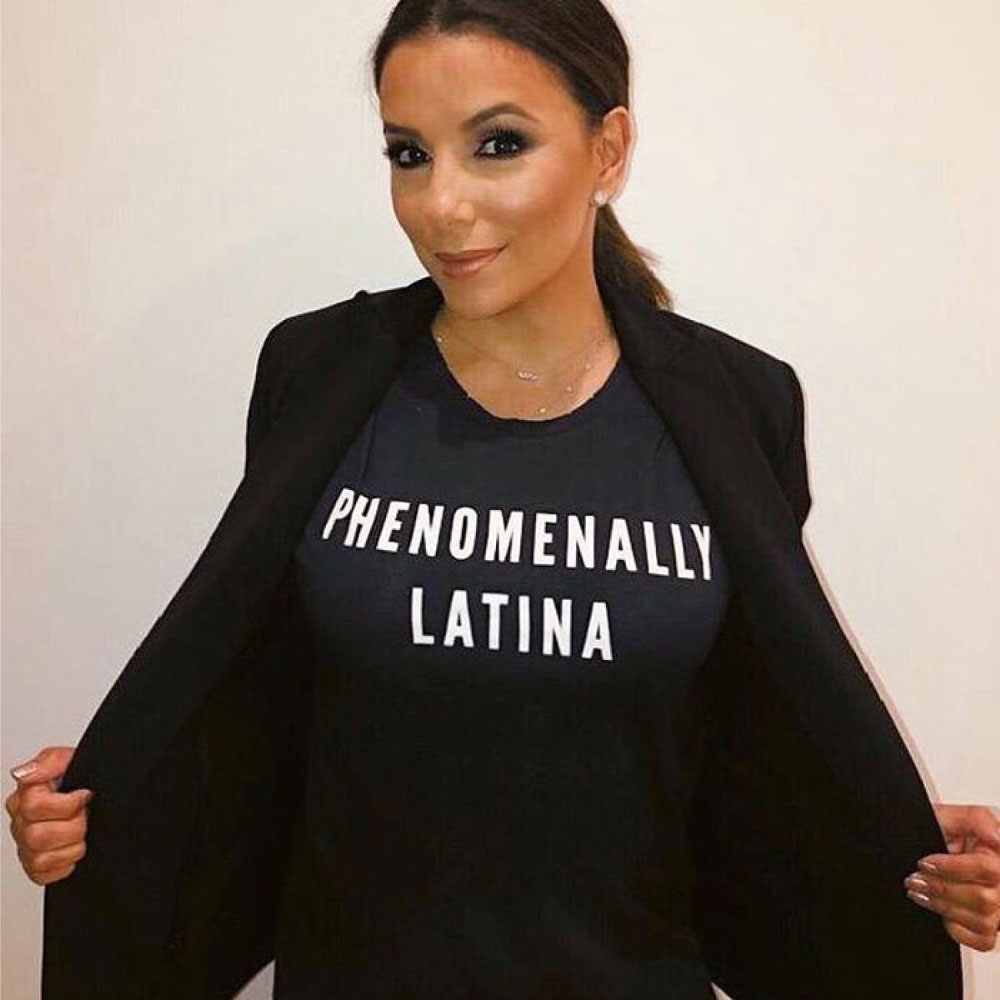
Last Week, Eva Longoria was being interviewed on MSNBC about the significant role that Latinos played in the presidential election. When the interviewer asked about Black women, Eva said “of course we saw what Black women did in Georgia, but Latina women were the real heroines”. Social media was swift to criticize her for “diminishing the impact of Black women”. The condemnation was harsh, but what struck me was how much of the rancor came from other Latinos. I watched the video several times, and I definitely did not hear what so many others apparently heard. Eva didn’t say anything disparaging about anyone. Is it really so offensive that the founder of the Latino Victory PAC, believed that Latinas were they “true heroines” of the election? I’ve seen plenty of people on television credit the election to Blacks, suburban White women and even young Asians without anyone getting offended, but somehow in the eyes of millions, including many Latino advocates, Eva had committed a mortal sin. A couple of days after the interview, Eva was asked back to MSNBC where she was essentially forced to beg for forgiveness to a nationally televised audience. The whole situation kind of made me a little sick.
I think Latinos need to adopt a new principle to avoid being publicly critical of other Latinos – except for the most egregious acts. Instead of indulging herself in the hedonistic trappings of fame, Eva Longoria has dedicated her time and money to the advancement of a slew of Latino causes. We all know where her heart is, and rather than participating in criticism, Latinos should have rallied around her with love and support by pointing out all the good she has done – and encouraging everyone to give her the much deserved, benefit of the doubt.
There is more at stake here than just Eva Longoria’s reputation. We all know that the current American narrative about Latinos sucks. We ask, why are Latinos consistently portrayed negatively in the media? Where are the positive stories? Now, we should all pause and ask ourselves, after what happened to Eva, how quickly is the next person going to speak up and stick their neck out?… Sorry, but the self-righteous condemnation of Eva Longoria by other Latinos was just incredibly stupid and frankly set us back, yet again. As Latino advocates, we still have a lot to learn. I for one, am willing to take the heat for unabashedly standing up for other Latinos. If I am wrong, so be it … but I would rather be wrong in favor of Latinos than the other way around. I hope more of us begin to adopt that attitude. Perhaps, “Thou Shall Not Publicly Criticize Other Latinos” should be the eleventh tenant of the NAHREP 10






With the presidential election only three weeks away, partisans on both sides are taking off the gloves with rhetoric that vilifies their opponents and fires up their minions. Most people believe that our country is more divided than ever. Indeed, the days when liberal and conservative candidates can debate their views respectfully seem like a distant memory. At the risk of oversimplifying things too much, let me cut to the chase about what is driving the divisions in the country.
NAHREP shares data at conferences to build a more accurate narrative about the Latino community from an economic perspective. Sharing that data with attendees, influential business leaders, and media at the event helps achieve that goal while arming them with information that can give them a competitive advantage with their businesses.
The best businesses and the most successful people don't just perform a task and make money. They solve a problem or facilitate an opportunity. Uber, Tesla, Apple, Netflix, and Microsoft approached their business with that mindset. They were designed to solve humanity's most significant challenges and opportunities. However, even the smallest companies can develop solutions that people care about.