
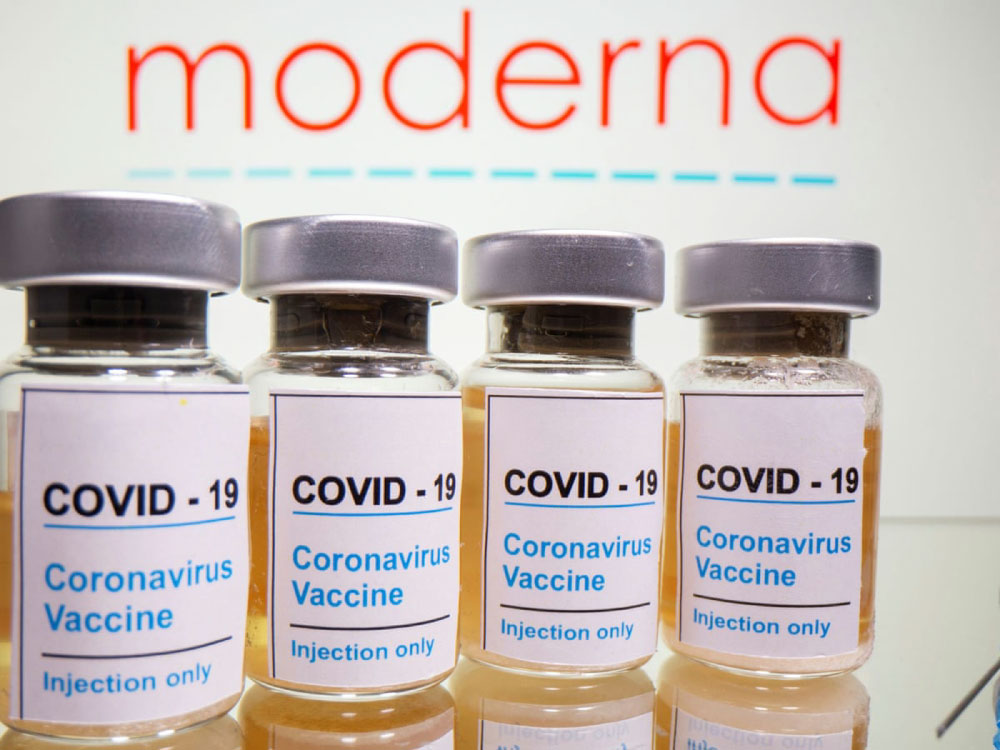
In the coming weeks, Americans will start receiving the COVID-19 vaccine. We were able to get to this point in about ten months – a remarkable achievement. In tests, the efficacy of the three vaccines that will hit the market have ranged between 90-95 percent – equally as amazing. Even more encouraging, the Moderna vaccine has shown to be 100% effective in preventing serious or life-threatening symptoms. COVID-19 has already taken more than a million lives worldwide and nearly 300,000 in the United States. This past week, COVID-19 surpassed heart disease as the leading cause of death in America. I remember not too long ago, when people were mocking the threat of the coronavirus on social media by posting statistics that implied it was less lethal than the flu. I don’t, however, blame them. They were misled.
Let’s face it, our politicians may have failed us (nearly all of them), but we don’t have to fail each other. Empathy and compassion are what we need in abundance. While my heart hurts for the economic toll the pandemic has caused to the travel industry, restaurants, and millions of other small businesses, there is light at the end of the tunnel. We are close to the end. Wear a mask, help a friend, and support strong relief legislation for the people who were hurt the worst. We have a lot of reason for optimism.






I have been writing this blog for almost eight years. In two weeks, the format will change. I will start a video series on social media titled "The Latino Brand." I will supplement the videos with a weekly news sheet emailed to my database that includes links to the video series...
The country is experiencing significant disruption, unlike anything we've seen since the end of World War II. A perfect storm of demographic changes, AI advancements, and political upheaval will reshape the nation forever. Some changes will be beneficial, while others will be less clear. Here's my perspective on what to expect in the next decade
The large majority of undocumented immigrants are decent, hard-working people desperate for a better life in America. However, there are also some bad apples, violent criminals that not only terrorize our communities but also damage the image of Latinos in America. Trump promised to prioritize criminals in his deportation plans. In the first few weeks in office, the data shows that...