
Click on the red play button to listen to the audio version.
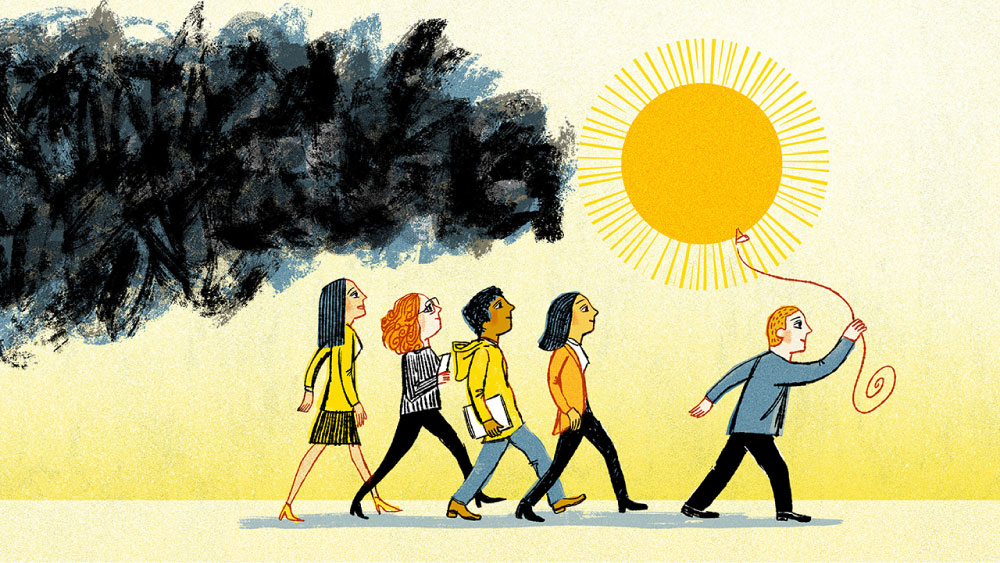
There is a mindset theory that states when things are going well, people tend to think they will always go well. When we are in that state of mind, we tend to ignore bad news… even deny bad news. The reverse is also true. When things are not going well, we tend to think they will always go badly, and we ignore and deny good news. I think that is where we are today. We are at the tail end of the worse pandemic in a century where we lost one million Americans and suffered untold trauma, and instead of being happy that things have finally turned around, we are obsessing about gas prices. We have had to deal with so much bad news, we are ignoring the good and searching for the bad. Two years ago, I think most of us were in denial. After a decade of prosperity, we blatantly refused to acknowledge the reality of what we were dealing with.
Mindset is a powerful thing, and I don’t take that lightly. Our outlook on life has more to do with things we focus our attention on than cards we are dealt. If we focus on what we have versus what we don’t have, we tend to be happier, more productive people. But even the most disciplined among us are influenced by the media or others who are influential. Inflation is a real threat to our economy, and recessions are a normal part of our economic cycles. That is not to say we shouldn’t do anything about them. The goal of our governmental policies should be to make our growth cycles as long as possible and our recessions as short and shallow as possible. I think there are a lot of positives happening right now. The pandemic is winding down, people are working, and our investments as a whole are worth more now than ever. Like always, some threats cannot be ignored. The war in Ukraine is a human tragedy, and our economy can dip into a deep recession if the Fed doesn’t act appropriately. Those of us in the real estate industry should be thinking about how we can parlay our winnings from the last few years into something that sets ourselves and our families up permanently. Clarity of thought is our strongest asset. We need it more today than ever before.






I have been writing this blog for almost eight years. In two weeks, the format will change. I will start a video series on social media titled "The Latino Brand." I will supplement the videos with a weekly news sheet emailed to my database that includes links to the video series...
The country is experiencing significant disruption, unlike anything we've seen since the end of World War II. A perfect storm of demographic changes, AI advancements, and political upheaval will reshape the nation forever. Some changes will be beneficial, while others will be less clear. Here's my perspective on what to expect in the next decade
The large majority of undocumented immigrants are decent, hard-working people desperate for a better life in America. However, there are also some bad apples, violent criminals that not only terrorize our communities but also damage the image of Latinos in America. Trump promised to prioritize criminals in his deportation plans. In the first few weeks in office, the data shows that...