
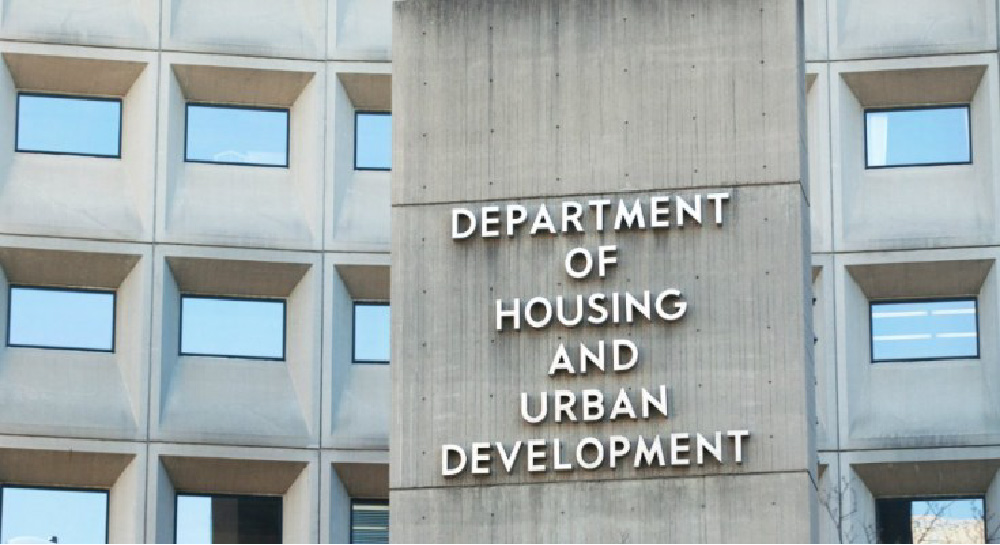
In June of 2019, Len Wolfson, HUD’s then Assistant Secretary for Congressional and Intergovernmental Affairs, wrote a letter to Congressman Pete Aguilar of California that stated individuals with DACA status remained ineligible for FHA loans. This sent shock waves through the mortgage lending industry because many lenders had been originating FHA loans for DACA recipients for years, and could be on the hook to repurchase or indemnify thousands of loans. One lender told me that if HUD decided to go after lenders who had been originating FHA for DACA borrowers, dozens of lenders could go bankrupt. What really sucked was that it also meant that unless they could pay for a home with all cash, DACA recipients could not purchase a home in the United States.
The mortgage industry breathed a sigh of relief and Latino advocates celebrated when it was announced on Joe Biden’s inauguration day that HUD would allow DACA status individuals to receive FHA financing. I was one of the people who posted the announcement on Facebook to the approval of many of my followers. A few days later, I spoke with Noerena Limón, NAHREP’s SVP of Public Policy and Industry Relations, and she told me it wasn’t the Biden Administration that signed the waiver approving DACA for FHA, it was Brian Montgomery, HUD’s Deputy Secretary, and a Trump appointee. I know Brian personally and consider him a friend. As FHA Commissioner under George W. Bush, he had appeared at several NAHREP events and we became close. I had mixed feelings when he joined the Trump Administration, but part of me was glad he did. I decided to call Brian on his cell phone a couple of weeks ago to see if he would fill me in on some of the details on how and why he was able to get DACA recipients approved for FHA loans on his last day in office. In a nutshell, Brian said his last day in office was the only day he was confident he could get the waiver done. I suspected as much. He shared with me that he and Secretary Carson both believed the DACA policy was fair and good for the country. I believed that. He also told me he had the support of the White House, but was directed to the Department of Homeland Security for approval. I had some skepticism about that statement, but Brian has always been straight with me so I didn’t challenge it. I pressed Brian a little on some additional details, but remained respectful of his need to keep some of the specifics private.
Here is how I think things actually went down. First, I believe that Brian has wanted to get this done for years, and I respect him for pushing it into the end zone under his watch. Last year, a report came out accusing HUD officials of illegally reversing the policy on DACA. I have some thoughts on that, but they don’t change what I believe went down in the last few months. Regardless of what anyone says, Montgomery didn’t have to do this and in my view, it says something that of the thousands of things he could have done on his last day in office, he chose to prioritize DACA. I also have zero doubt that if Donald Trump would have been re-elected, it wouldn’t have happened. Regardless of what you think of Donald Trump, the fact is a major faction of his base is fiercely anti-immigrant, and would have asked for Montgomery’s head on a platter if he would have signed the waiver on any other day. I also am not convinced that had Brian Montgomery not signed the waiver for DACA, the Biden Administration would have gotten it done on day one as some of his supporters have suggested. I know I will get some criticism saying this, but immigration policy is a polarizing issue and both sides sadly use it to advance their own political agendas. The Obama-Biden Administration’s record on deportations and immigration policy is almost as shameful as Trump’s. I could be wrong, but I can very easily see the issue of FHA loans for DACA as something that could have fallen to the bottom of Biden’s list of priorities or even used as leverage for another piece of legislation. A number of people deserve credit for getting this done, including Senator Bob Menendez and the passionate members of NAHREP, but in my opinion Brian Montgomery is the hero in this story. I don’t take what he did for granted. Most people don’t know that Brian is half Mexican on his mom’s side and he speaks Spanish. Did that play a factor in his wanting to get this done? I can’t say for sure, but I believe it did. Thanks Brian!






I have been writing this blog for almost eight years. In two weeks, the format will change. I will start a video series on social media titled "The Latino Brand." I will supplement the videos with a weekly news sheet emailed to my database that includes links to the video series...
The country is experiencing significant disruption, unlike anything we've seen since the end of World War II. A perfect storm of demographic changes, AI advancements, and political upheaval will reshape the nation forever. Some changes will be beneficial, while others will be less clear. Here's my perspective on what to expect in the next decade
The large majority of undocumented immigrants are decent, hard-working people desperate for a better life in America. However, there are also some bad apples, violent criminals that not only terrorize our communities but also damage the image of Latinos in America. Trump promised to prioritize criminals in his deportation plans. In the first few weeks in office, the data shows that...