
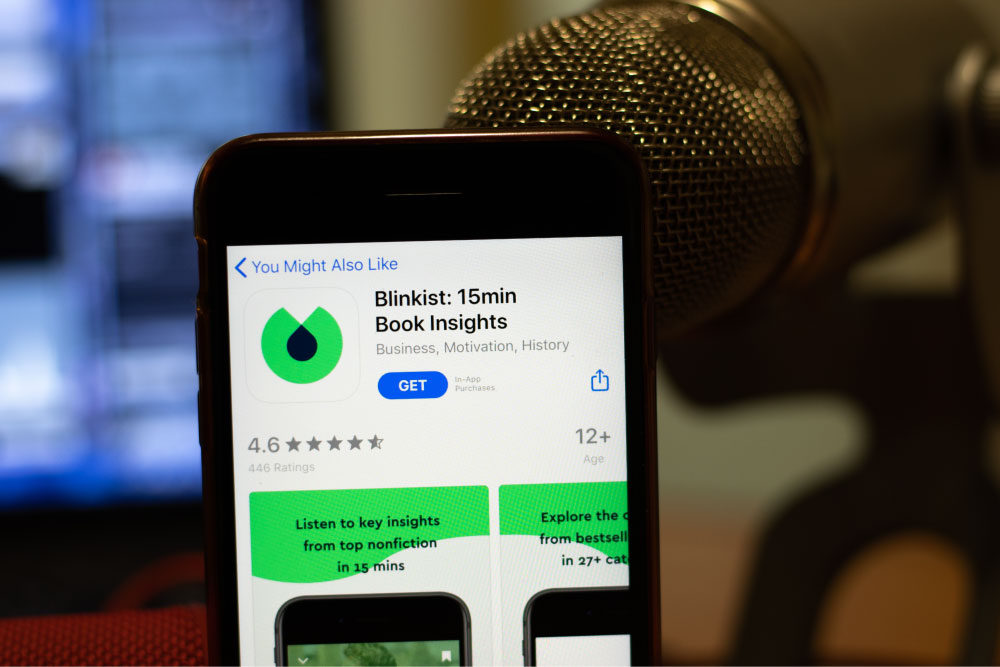
Speaking of reading….I’m a busy person, and while I love to read books, I don’t always have the time. On a recommendation, I purchased an app called Blinklist, and it’s the best app I’ve stumbled on this year. In a nutshell, Blinklist is CliffsNotes in an app. You can read or listen to a 15-minute abbreviated version of thousands of non-fiction books. For me, the short or “Blinklist” version of most books is all I need, however in some cases if the book is really good, I will purchase the full version. All books are available in print or audio. If you read a lot of non-fiction books, but are short on time like I am, Blinklist is a perfect addition to your app collection.






Regardless of political persuasion, most people think the rhetoric of politics has gotten out of control. If you believe that, as I do, there IS something you can do about it. You can ask yourself whether you are helping or hurting the situation. I like to say that there are two types of people in the world: people who add stress and people who relieve stress. I think similarly, some people are adding to the political spectacle in the country, and others are at least trying for something better.
Gary's Blog will return next week.
This past week, the National Association of Realtors invited me to participate in a meeting with the NAR leadership and Jonathan Kanter, the Assistant Attorney General of the United States.