
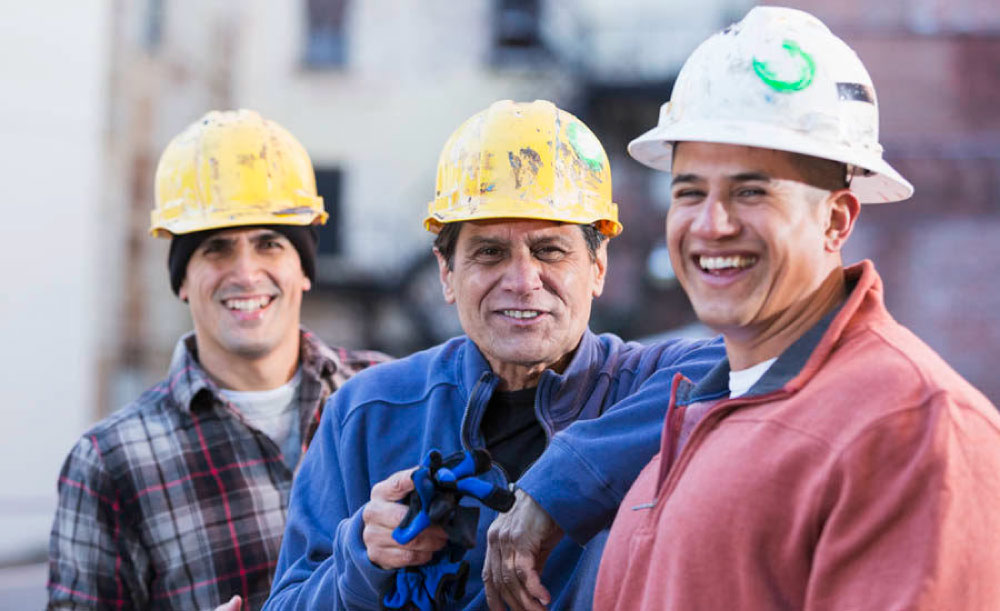
A little over a month ago, I was in New Orleans for a conference. I took an Uber to the airport when I was leaving and the driver was a Latino guy. I had not been in New Orleans for many years, and did not recall seeing many Latinos the last time I was there. I asked the driver if there were a lot of Latinos living in New Orleans, and he said “there is now”. When I asked him to explain, he said that Latinos came to New Orleans after hurricane Katrina to help rebuild the city and many of them stayed. Today, Latinos in New Orleans are part of the fabric of the city’s local economy and are provide a foundation to its workforce and consumer base. This is a story that can be told for many of America’s great cities. The book Barrio America by A. K. Sandoval-Strausz chronicles how Latinos created the foundation that ultimately led to the revitalization of the now thriving downtown neighborhoods of Chicago and Dallas.
As experts ponder how America will pull itself out of the COVID-19 recession, one thing I know for certain is that Latino workers, homebuyers, and entrepreneurs will be at the epicenter of America’s renaissance. As this scenario comes to pass, I will use this blog and my upcoming podcast to share stories and help document this phenomenon. In fact, we all need to use our respective platforms to make sure that the contributions Latinos make in bringing America back don’t go unnoticed.






With the presidential election only three weeks away, partisans on both sides are taking off the gloves with rhetoric that vilifies their opponents and fires up their minions. Most people believe that our country is more divided than ever. Indeed, the days when liberal and conservative candidates can debate their views respectfully seem like a distant memory. At the risk of oversimplifying things too much, let me cut to the chase about what is driving the divisions in the country.
NAHREP shares data at conferences to build a more accurate narrative about the Latino community from an economic perspective. Sharing that data with attendees, influential business leaders, and media at the event helps achieve that goal while arming them with information that can give them a competitive advantage with their businesses.
The best businesses and the most successful people don't just perform a task and make money. They solve a problem or facilitate an opportunity. Uber, Tesla, Apple, Netflix, and Microsoft approached their business with that mindset. They were designed to solve humanity's most significant challenges and opportunities. However, even the smallest companies can develop solutions that people care about.