
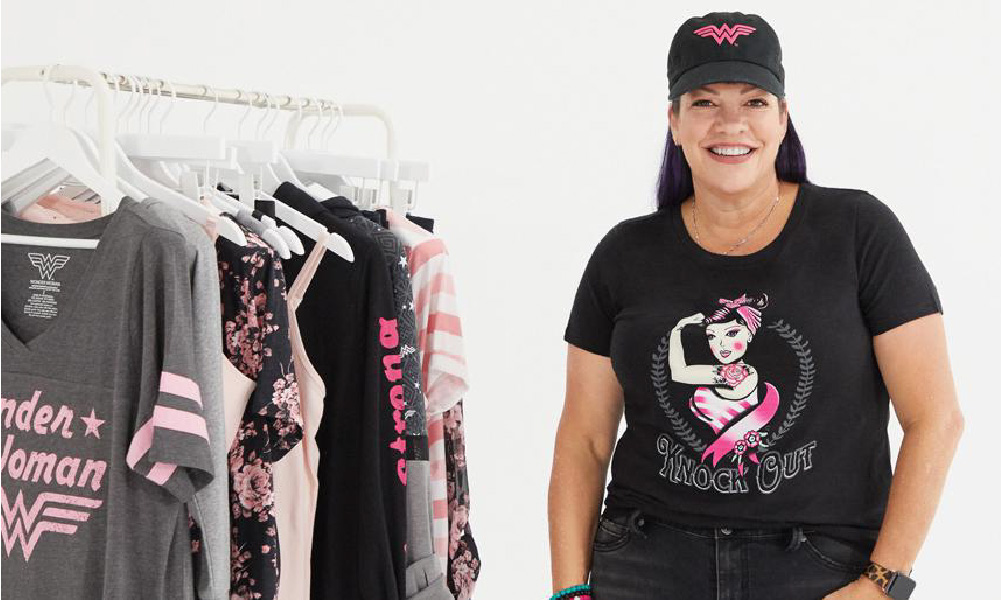
The term “start-up” is one we all have heard hundreds of times, but I have never been totally clear on what the term actually means. I know it refers to companies that are relatively new, but I also know that not every new company is considered a start-up. I decided to ask a few people from the venture capital space what their definition of a start-up is, and while there was no clear consensus, the best answer I got was “a start-up is an early-stage company with substantial growth potential that has not yet achieved scale or profitability”. Not all companies have substantial growth potential, and therefore not all new companies are considered start-ups. It is very hard for a company to achieve real scale organically, so start-ups also refer to early-stage companies that have attracted at least some outside investment capital. I bring this up because, over the next few years, I plan on immersing myself in the world of start-ups. Check this out…In the past few months, three companies led by Latinos have gone public: Torrid, Cano Health, and The Honest Company; now a fourth is about to go public: Duolingo. This has created billions in new wealth for their Latino founders, employees, and early investors.
Real estate and business ownership are the largest drivers of wealth in America and with NAHREP and L’ATTITUDE Ventures it is exciting for me to be in the middle of both. With interest rates low and the stock market strong, there is more capital than ever chasing the deals. If you are starting a small business to support you and your family, outside capital may not be the best choice for you, but if you have an idea that has the potential to change an industry, investment capital can give you the wherewithal to take your company to scale without the immediate pressure to turn a profit. What’s more, experienced investors not only provide financial resources, they help open doors and facilitate key relationships. Think about it…Having an investor who can call someone in the c-suite of Walmart or Google can propel your company into the stratosphere. These are some of the new disciplines that have evaded Latinos for far too long, but things are starting to change. Time to start thinking big!






I have been writing this blog for almost eight years. In two weeks, the format will change. I will start a video series on social media titled "The Latino Brand." I will supplement the videos with a weekly news sheet emailed to my database that includes links to the video series...
The country is experiencing significant disruption, unlike anything we've seen since the end of World War II. A perfect storm of demographic changes, AI advancements, and political upheaval will reshape the nation forever. Some changes will be beneficial, while others will be less clear. Here's my perspective on what to expect in the next decade
The large majority of undocumented immigrants are decent, hard-working people desperate for a better life in America. However, there are also some bad apples, violent criminals that not only terrorize our communities but also damage the image of Latinos in America. Trump promised to prioritize criminals in his deportation plans. In the first few weeks in office, the data shows that...