
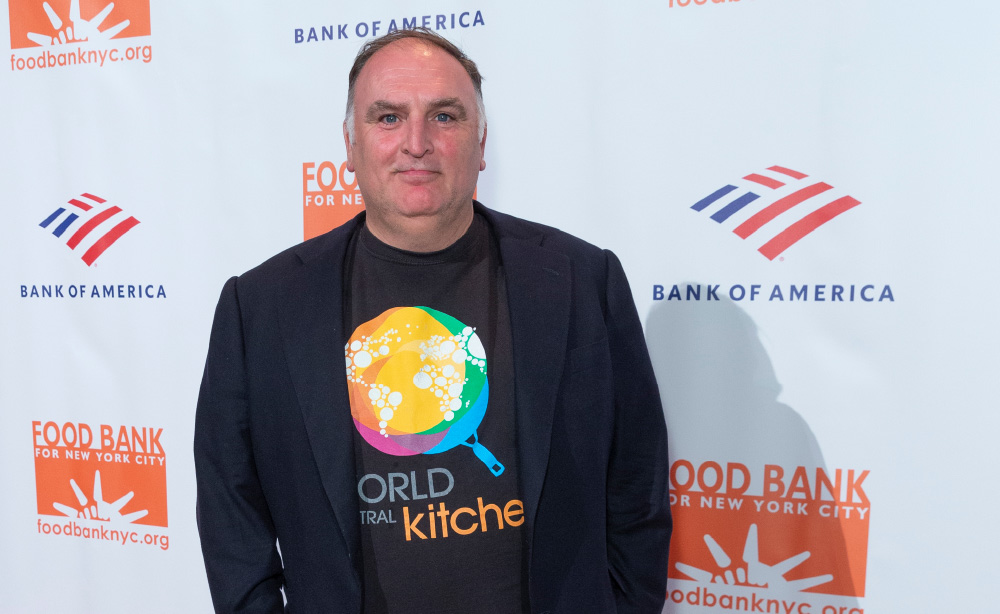
Restaurant entrepreneur and master chef José Andrés is the kind of human being we should all strive to be. His World Central Kitchen is feeding millions of health workers, victims, and families of the COVID-19 pandemic. Yesterday, Oprah Winfrey announced she would donate $1M to his charity. Andrés, who is from Spain, was one of Time Magazine’s 100 most influential people in the world. He is my personal hero for a number of reasons. He was scheduled to speak at the NAHREP Convention in March, which we were forced to cancel. My hope is that we can get him to San Diego in September. If you want to donate to a great cause, consider supporting the World Central Kitchen.






Regardless of political persuasion, most people think the rhetoric of politics has gotten out of control. If you believe that, as I do, there IS something you can do about it. You can ask yourself whether you are helping or hurting the situation. I like to say that there are two types of people in the world: people who add stress and people who relieve stress. I think similarly, some people are adding to the political spectacle in the country, and others are at least trying for something better.
Gary's Blog will return next week.
This past week, the National Association of Realtors invited me to participate in a meeting with the NAR leadership and Jonathan Kanter, the Assistant Attorney General of the United States.