
I believe the COVID-19 pandemic has reinforced what some of us already knew, but maybe didn’t fully appreciate: deep relationships and human connection are what give us the most joy and satisfaction in life. With all of the suffering around the world, it’s hard to say anything good about the period of time we have had to spend in quarantine, but the time I have spent with my kids and family has been a pleasure that could never have happened otherwise. Game nights on Sundays, eating meals together, going on long walks, and just talking. While it hasn’t been all good, it’s been a once in a lifetime experience that I will never forget and for which I am grateful.
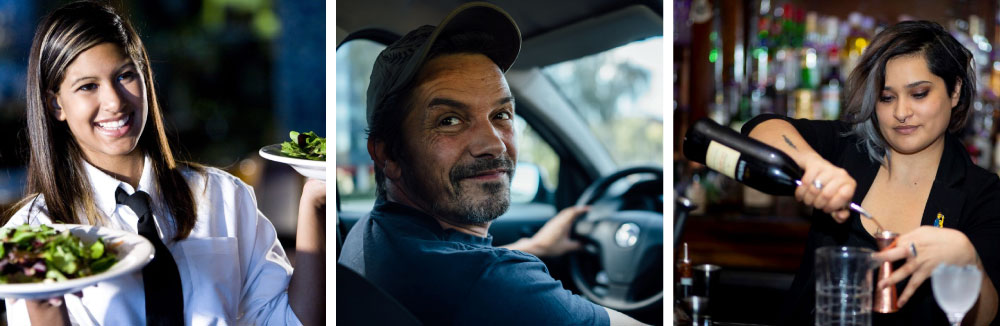
I also hope most of us acquire an even greater appreciation for the pleasure of being with people. I miss being in the NAHREP office and feeing the energy of a big team working together. I miss my friends. I miss conventions and sporting events. I miss the feeling of packing my suitcase the night before I leave on a business trip or weekend getaway with Kathy. I miss restaurants, hotels, and live theater; but more than anything I think I miss the people who I encounter at all of those places. I miss the bartenders, Uber drivers, ushers, flight attendants, waitresses and busboys. The people who hustle to make our lives a little more comfortable. I hope I never take those people for granted again. When the pandemic is over, I hope we all recognize what a privilege it is to meet new people, to learn a little about their lives and to try to bring a little joy to each other. There is nothing more fulfilling in life than human connection.






I’ve always believed sports are one of the most powerful stages in American culture. The people we celebrate—and the people who own the teams and institutions behind them—help shape how the country sees leadership, success, and possibility. In Episode 96, I share why José E. Feliciano and Kwanza Jones’ purchase of the San Diego Padres feels bigger than baseball, and why this moment could mark a tipping point for Black and Latino visibility, wealth, and power.
There is no shortage of data showing the impact Latinos are having on the U.S. economy, from GDP and entrepreneurship to workforce participation and homeownership. So why hasn’t that growth translated into the kind of economic and political power our numbers suggest it should? In this episode, I focus on two things we can actually control: building wealth and owning our narrative. Cultural influence matters, but ownership is what turns influence into lasting power. And if we want the next generation to inherit more than momentum, we need a strategy for converting our work ethic, growth, and economic contributions into the institutions and assets that shape this country.
The World Cup reminded the world just how magnetic Hispanic and Latino culture can be. In this episode, I talk about why that popularity is more than a cultural victory—it is an economic opportunity hiding in plain sight. From music, food, sports, and fashion to the global appeal of our biggest stars, our culture already has the power to shape markets and influence how people see us. The question now is whether our business and political leaders are ready to turn that momentum into capital, representation, and lasting power. This is a moment we cannot afford to waste.