
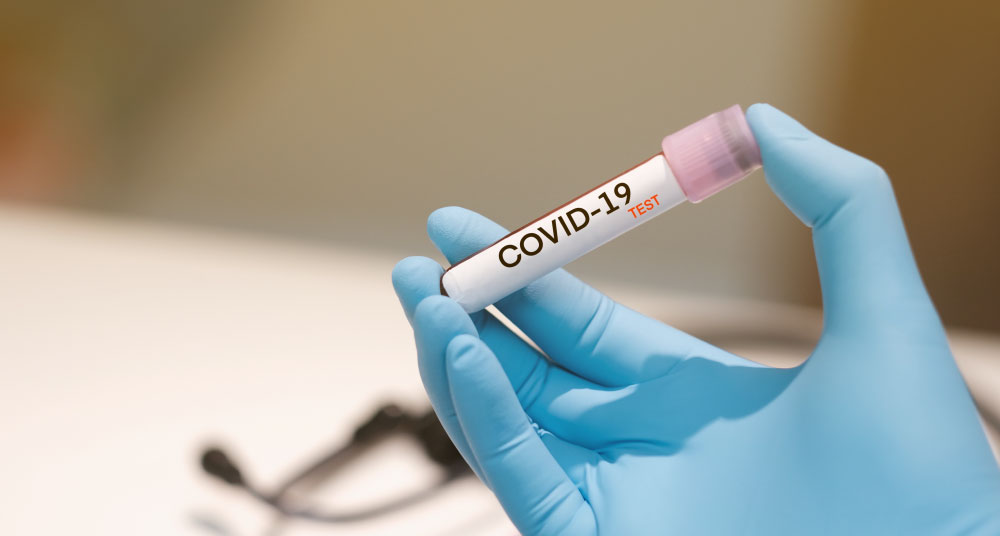
There was only one real story in the world news this week – coronavirus. I am not an expert of infectious diseases, but let me say up front that while I think the threat is real, I think the U.S. will avoid the worst of it. While the disease is less dangerous than previous strains like H1N1 or the Avian flu, the fact that it is not more lethal can make it more difficult to detect, and therefore more likely to spread. In response to the epidemic, the stock market has taken the worst beating since the great recession in 2008. This is more of a reaction to the number of companies that rely on foreign markets for labor and sales growth. My advice is to ignore the political rhetoric and take the precautions that are recommended by the CDC. We have encountered these threats before and we will get past this one as well. My son and I both have chronic sinus issues, and are susceptible to colds and sinus infections. I’m a big believer in steam and hot tea as deterrents to infection. Beyond that, I don’t plan to alter my plans a whole lot at this point. Stay healthy!






With the presidential election only three weeks away, partisans on both sides are taking off the gloves with rhetoric that vilifies their opponents and fires up their minions. Most people believe that our country is more divided than ever. Indeed, the days when liberal and conservative candidates can debate their views respectfully seem like a distant memory. At the risk of oversimplifying things too much, let me cut to the chase about what is driving the divisions in the country.
NAHREP shares data at conferences to build a more accurate narrative about the Latino community from an economic perspective. Sharing that data with attendees, influential business leaders, and media at the event helps achieve that goal while arming them with information that can give them a competitive advantage with their businesses.
The best businesses and the most successful people don't just perform a task and make money. They solve a problem or facilitate an opportunity. Uber, Tesla, Apple, Netflix, and Microsoft approached their business with that mindset. They were designed to solve humanity's most significant challenges and opportunities. However, even the smallest companies can develop solutions that people care about.