
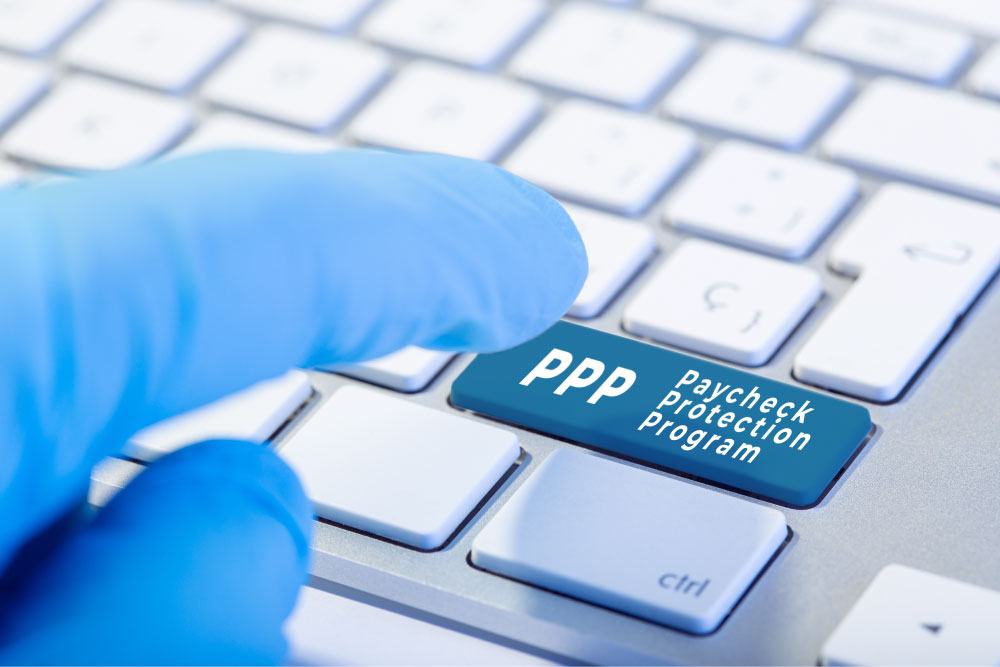
In the face of the worst economic crisis since the Great Depression, the government launched the Paycheck Protection Program, a trillion-dollar effort to incentivize employers to retain their employees during the quarantine and maintain most of their compensation. The program was administered by the Small Business Association (SBA) and provided forgivable loans to eligible employers who keep their people on payroll. The idea was a good one, but the execution was terrible. There are millions of employees, self-employed people, independent contractors and small businesses who were excluded. Most of the money did not get to where it was intended.
A lot of companies are not open for business, and if the goal was for the money to get to workers, then the government should have avoided all the middlemen and funded the money directly to the employees. The entire economic relief package related to COVID-19 will end up costing about $6 Trillion. The government could have paid every worker in America $4000/mo for six months for only $2.4 Trillion. Think about it. PPP was not a total failure, but it has been too bureaucratic and way too many people who are important to our economy were left out.






With the presidential election only three weeks away, partisans on both sides are taking off the gloves with rhetoric that vilifies their opponents and fires up their minions. Most people believe that our country is more divided than ever. Indeed, the days when liberal and conservative candidates can debate their views respectfully seem like a distant memory. At the risk of oversimplifying things too much, let me cut to the chase about what is driving the divisions in the country.
NAHREP shares data at conferences to build a more accurate narrative about the Latino community from an economic perspective. Sharing that data with attendees, influential business leaders, and media at the event helps achieve that goal while arming them with information that can give them a competitive advantage with their businesses.
The best businesses and the most successful people don't just perform a task and make money. They solve a problem or facilitate an opportunity. Uber, Tesla, Apple, Netflix, and Microsoft approached their business with that mindset. They were designed to solve humanity's most significant challenges and opportunities. However, even the smallest companies can develop solutions that people care about.